In the News | April 2026
New lobster enforcement unit in N.B.
New Brunswick has joined Nova Scotia in creating a provincial lobster enforcement unit, meant to recoup money both governments say is being lost to illegal lobster landings. The Nova Scotia government has said up to 30% of annual lobster landings in the Atlantic region go unreported. For Nova Scotia that could mean a loss of about $400 million in tax revenue. In New Brunswick, the estimate is more like $5 to $7 million lost to illegal lobster landings.
Senators Collins, King highlight lobstermen’s ropeless gear concerns
In a joint letter to NOAA Fisheries Assistant Administrator Eugenio Piñero Soler, U.S. Senator Susan Collins (R-Maine) and U.S. Senator Angus King (I-Maine) warned regulators that the lobster industry continues to have strong opposition to mandatory ropeless gear. “Maine lobstermen’s concerns about ropeless gear are well-documented and deserve serious consideration,” the senators said.
Popular Ellsworth restaurant sold

After 30 years, the Union River Lobster Pot is changing hands. Brian and Jane Langley announced in April the sale of their popular Ellsworth restaurant to Diwas Thapa of Breakwater Hospitality in Bar Harbor. Thapa owns and operates several well-known eateries in the Bar Harbor area, including 2 Cats, Bar Harbor Lobster Co. and Royal Indian restaurant. He also owns several vacation rentals.
Seafood business support group receives federal grant

The Local Catch Network, headquartered at the University of Maine, received a $480,402 grant from the U.S. Department of Agriculture’s Agricultural Marketing Services. The funds will allow the Network to grow its capacity regionally and nationwide. The Local Catch Network offers free business and technical assistance, scientific research and networking opportunities for seafood businesses nationwide. The network also received $2 million in 2022 in Congressionally directed spending. “These federal funding sources provide the foundational support for our organization to foster a vital and growing network of community-based seafood businesses,” said Joshua Stoll, a UMaine associate professor of marine policy who founded the network.
Large group of right whales seen off Gloucester
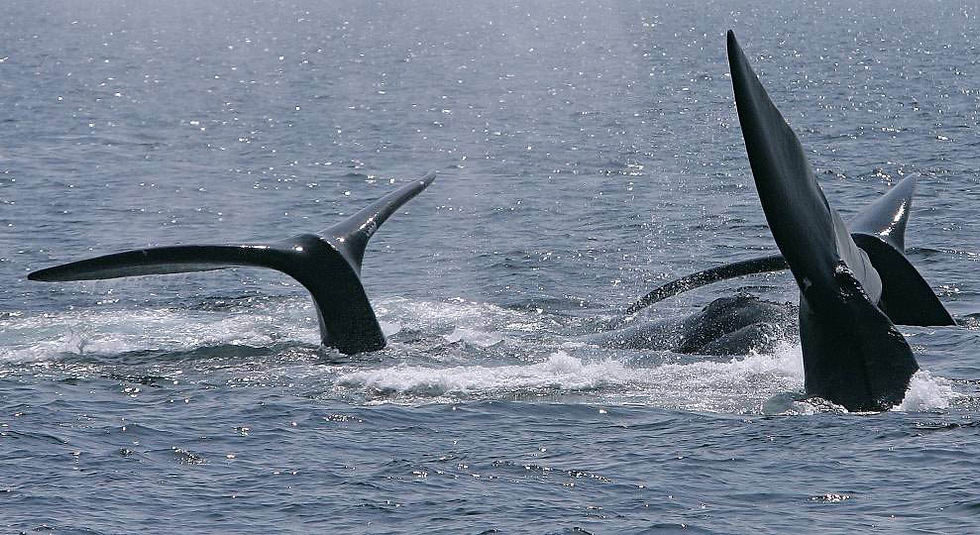
Massachusetts Division of Marine Fisheries (DMF) sent a notice to lobstermen on April 26 alerting them to a large aggregation of right whales off Gloucester where a substantial amount of gear is currently fished outside the seasonal closure area. “DMF strongly urges any lobster fishers with gear in the area off Gloucester to move their gear as soon as possible and keep away from the area until surveys indicate that the whales have moved on,” the agency wrote. NMFS currently has two voluntary slow zones in place off of Cape Cod Bay extending to the New Hampshire border until May 6. These may be extended if additional right whales are sighted. Fifty-two endangered North Atlantic right whales were observed in Massachusetts Bay, including 30+ individuals concentrated off. There were also six mother/calf pairs documented in Massachusetts Bay during this time.
Magnuson Stevens Act Turns 50
The Magnuson–Stevens Fishery Conservation and Management Act (MSA) is fifty years old this year. Passed by Congress in 1976, the MSA is the cornerstone of U.S. marine fisheries policy. The Act established the country’s 200-nautical-mile Exclusive Economic Zone (EEZ), which gave the U.S. authority over fisheries resources in federal waters. It also created eight regional fishery management councils to incorporate local knowledge into federal decision-making related to commercial fisheries plans. The MSA has been amended several times to strengthen conservation provisions.
Over its 50-year history, it is widely credited with helping rebuild many U.S. fish stocks and establishment of one of the most science-based fisheries management systems in the world. At the same time, stakeholders continue to grapple with balancing conservation mandates, economic viability for fishing communities, climate-driven changes in fish distribution, and evolving ecosystem-based management approaches.

Comments