To Your Health: Build a body that lasts with strength, mobility, mindset and recovery
By Toni Small
If you are a 20-year-old fisherman, consider this article a gift to your 50-year-old self. We’ll address middle age and older fishermen specifically in the next two articles.

If you’ve been to a First Aid & CPR training with Fishing Partnerships Support Services (FPSS) lately, you’ll have heard the instructors weave four themes throughout the day: Strength, Mobility, Mindset, and Recovery. The course teaches what to do in an emergency at sea, but FPSS is also teaching something longer-game — how to care for your body and mind on a daily basis, so you can keep working over the
long haul.
The challenge for younger fishermen is that the very thing that feels like an advantage — the ability to bounce back — can also be a liability. You aren’t getting the same signals a 50-year-old receives telling you to slow down, ask for help, eat something, drink more water and less alcohol. Youth masks the cost of hard living, until it doesn’t.
You wouldn’t head offshore without checking the hull, hydraulics, fluids, safety gear, radio, and engine. Fishing asks a tremendous amount from your equipment. It asks just as much from your body. The work demands strength, balance, reaction time, endurance, coordination, flexibility, grip, and the mental clarity to make good decisions when conditions shift fast. You are an athlete in oilskins.
Can your body do more than the job requires? (Strength Reserve)

There’s an old story about a young Greek athlete named Milo of Croton. He trained for the Olympics by carrying a newborn calf on his back every single day. By the time the Games arrived, he was carrying a four-year-old cow.
You know a version of this — each season your body adapts to the demands you place on it. However, you may struggle to maintain those gains of springtime as winter comes around. Sadly, without maintaining or improving our strength, it backs off, and we start the cycle over again each year.
What would happen if you began thinking of your year as an athlete with an annual training plan? Things could feel better if you built up your strength in the off-season, so that moving traps in the spring isn’t painful but rather part of a maintenance season for your body.
Now imagine you’ve built up more strength than fishing regularly demands. You lift heavier in the gym, carry awkward loads on purpose —the work doesn’t get lighter, you get stronger. Strength coaches call this a strength reserve: having more in the tank than daily work typically draws from.
We also increase injury risk when we repeat movements in one direction over and over. If you’re always pulling, add some pushing. If you always rotate right at the wheel, practice left-side rotation with resistance. The body needs balance to stay durable.
Can you still move well when things get weird? (Mobility Cushion)
Mobility is different from flexibility. It’s not about touching your toes. It’s your body’s ability to move through awkward, unexpected positions while staying coordinated and in control — which sounds a lot like fishing. Fishing asks us to repeat certain actions season after season: bent forward, pulling, reaching, twisting the same direction, bracing against weather and moving decks.
Bodies get good at those shapes. The tradeoff is that over time, we can lose access to other movements that help us stay coordinated when conditions change. Yoga, stretching, sports, massage, chiropractic care, acupuncture, or moving differently on purpose — all of it helps remind the body that it still has options. Motion is lotion. A little bit every day goes a long way.
Can you think clearly when the day goes sideways? (Mindset Capacity)
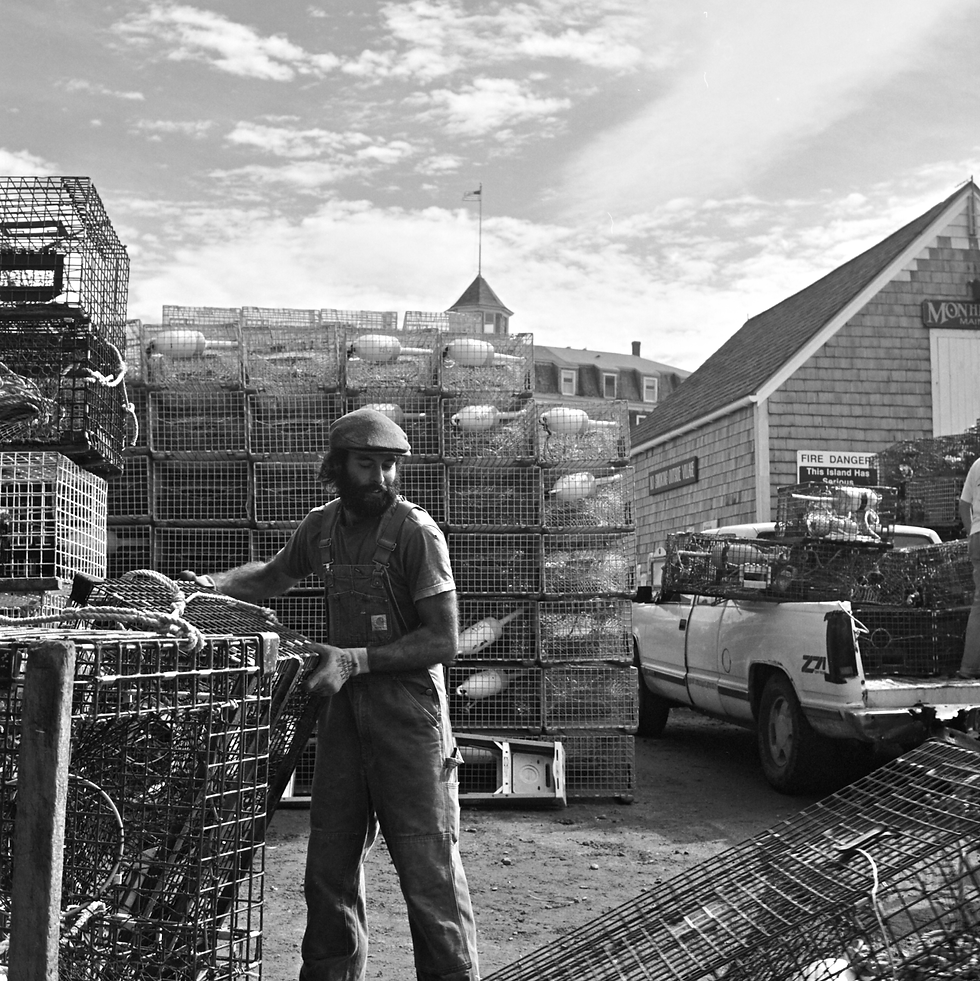
Have you ever noticed how fast your judgment changes when you’re exhausted, cold, stressed, hungry, or frustrated? Mental preparation matters every bit as much as physical preparation. Emergency drills, slowing down enough to think, taking a breath before reacting, knowing what you’ll do before something goes wrong — these things save lives. Some people build mental steadiness through meditation, prayer, yoga, Stoicism, breathing practices, or years of experience. However you get there, learning to regulate your own nervous system under stress is a skill worth deliberately practicing.
Slow is often fast. Asking for help is strength.
Can you absorb hard days and still come back tomorrow? (Recovery)
This may be the easiest adjustment of all — and the one most consistently ignored. Are you drinking enough water throughout the day? Eating regularly or just one giant meal at night? Sleeping enough to recover?
Fishing rewards people who can keep moving. The pressure of “time equals money” makes it easy to skip fuel, hydration, and rest. But the bill always comes due. Running hard without recovery is like running your engine on fumes — you might get away with it for a while, but not forever. Even a small pause makes a difference: water, electrolytes, a snack, some protein, five minutes of stretching.
Small inputs, compounding over time.
The most common piece of advice I hear from fishermen in their 50s and 60s, when I ask what they’d tell their younger selves? “Don’t lift alone just because you can.”
The work will always be hard. That’s part of why people love it. Building more strength than the job requires, staying mobile enough to be nimble, learning to think clearly under stress, and recovering like tomorrow matters — that’s how you stay in the game for the long haul. Your future self will thank you.


I enjoy physics-based driving games, and eggy car has a nice balance between challenge and casual gameplay without feeling frustrating.