To Your Health: Meeting fishermen, where they are
By Stacey Roberts, Healthy Harvester program
As a member of the Deer Isle community, I have witnessed firsthand the unique challenges fishermen face every day. Long hours, physical risks, and the constant pressure to provide for their families often leave little room to prioritize health and well-being. That is why I was so excited to accept the role of Community Health Worker for the Healthy Harvester Program.

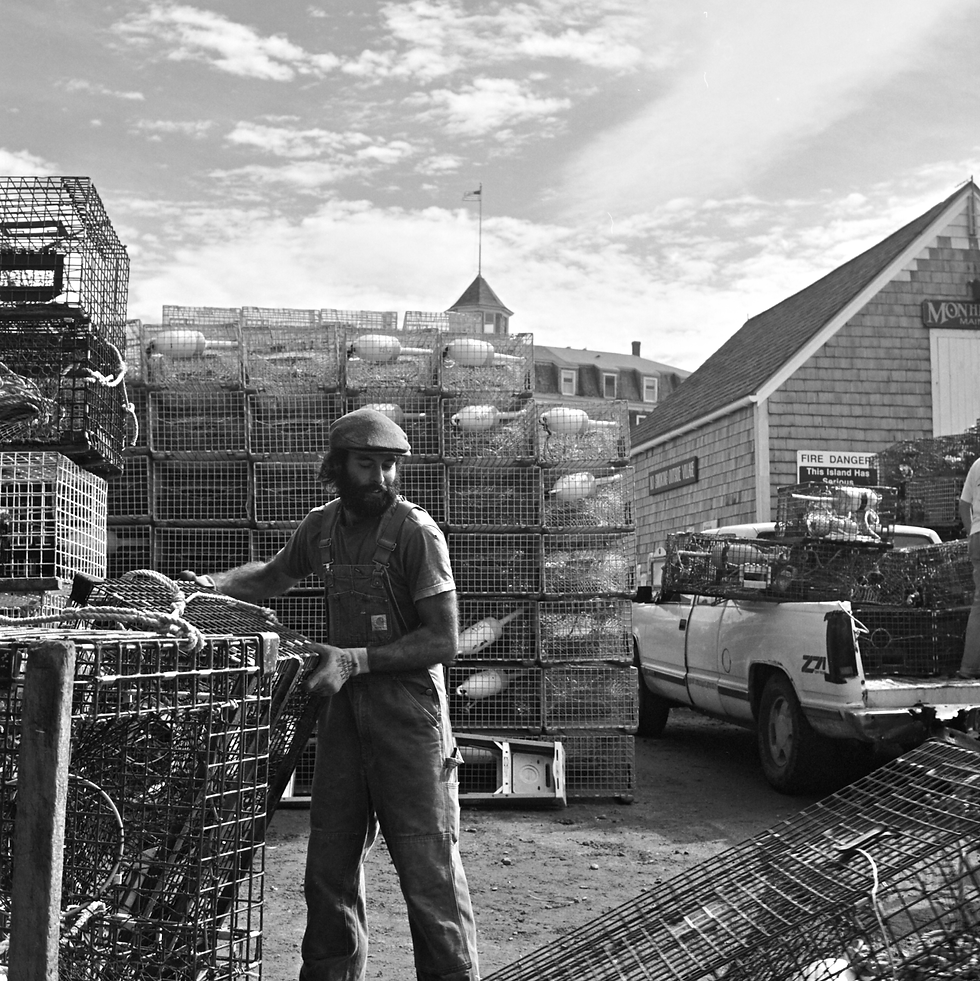
Image Info Here
Healthy Harvester is a community-driven initiative designed specifically to support fishermen by addressing their health needs in ways that fit the realities of life on the water. The program grew out of a collaboration between the town of Stonington, the Maine Center for Coastal Fisheries, and the Northeast Center for Occupational Health and Safety. As a licensed practical nurse who has worked in this community for 27 years, I was hired with the goal of providing care that feels personal, practical, and relevant.
Over the years, I have seen many fishermen cope with chronic pain, stress, and mental health challenges without adequate support. Too often, health concerns are pushed aside due to demanding schedules or limited access to care. Healthy Harvester recognizes these barriers and prioritizes accessible services, especially for those who are uninsured or underinsured.
By providing tailored support, the Healthy Harvester program aims to help fishermen take control of their own well-being. The program offers personalized health coaching, health screenings to identify health problems before they get worse, financial and counseling referrals, and guidance on navigating the healthcare system.
The services are free and confidential. I can help connect people with a provider as needed. I can do a free cholesterol and diabetes test in my office and then review the results with you. I can help you find resources for financial assistance, mental health assistance, insurance applications, and many other services. I encourage anyone interested to call, text, or email me to schedule an appointment.
Knowing they are speaking with someone who understands their work and their lives can make it easier for fishermen to seek care without fear of judgment. That trust is essential to the success of this program.
While there are challenges ahead, I am hopeful. The Maine Center for Coastal Fisheries, the Northeast Center for Occupational Health and Safety, and the Healthy Island Project are actively pursuing grant funding to expand the program so it can serve the broader community as well.
Stacey Pitts-Roberts is available at 207-598-9831 or via email at sroberts@coastalfisheries.org.


I like how simple and effective this guide is. Using 192.168.29 allows users to customize their network settings and improve performance. It also helps reduce issues. A useful resource for stable internet.
Supporting maritime wellness and independently evaluating how mobile health clinics structure their service layout completely on your own initiative is a vital humanitarian effort. Tracking regional health outreach data and managing community support assets entirely on your own merit reminds me of the strict, strategic focus needed to optimize crew logistics in advanced 1 Player Games online. A brilliant initiative!