Canadian Spring Lobster Season Cold and Slow

By Melissa Waterman
The Lobster Institute hosted a meeting in June with lobstermen, lobster dealers and processors to discuss the state of the market for the Canadian and U.S. lobster sectors. The meeting focused on the current Canadian spring lobster season and what to expect for the upcoming Maine lobster season. In the fall a similar meeting will be held to assess market conditions during the U.S. lobster season.

Cold water and poor weather have kept landings down in the Maritime provinces this spring. CBC photo.
Both Maine and Canadian participants commented on the impact of an unusually cold winter and windy spring. Continued cold water temperatures have kept lobsters relatively sluggish within most Canadian lobster fishing areas.
Southwest Nova Scotia had snow on the ground until late May. Landings from that lobster fishing area, which closed at the end of May, were down compared to the previous year due to poor weather and cold water. Other eastern Canadian lobster fishing areas report mixed landing volume with some up and others down. It is predicted that overall landing volume will be slightly lower than 2025 but at time of writing there were still two to four weeks of fishing remaining so landings could improve.
Cold water has kept Maine lobstermen on shore this spring. Sluggish lobsters combined with the sharp rise in costs for fuel, traps and other equipment have given lobstermen good reason to delay setting traps. As a consequence, it is likely that the number of fishing trips per lobstermen will go down again this season, as in the past few years.
The strength of international lobster markets is also an ongoing concern for everyone involved in the lobster sector. The impacts of war, increased fuel and transportation costs, and the complexities of the European Union’s new traceability regulations, which came into force in January, are giving dealers and processors throughout the Maritime Provinces headaches. One seafood processor representative called the EU traceability paperwork “a plague.”
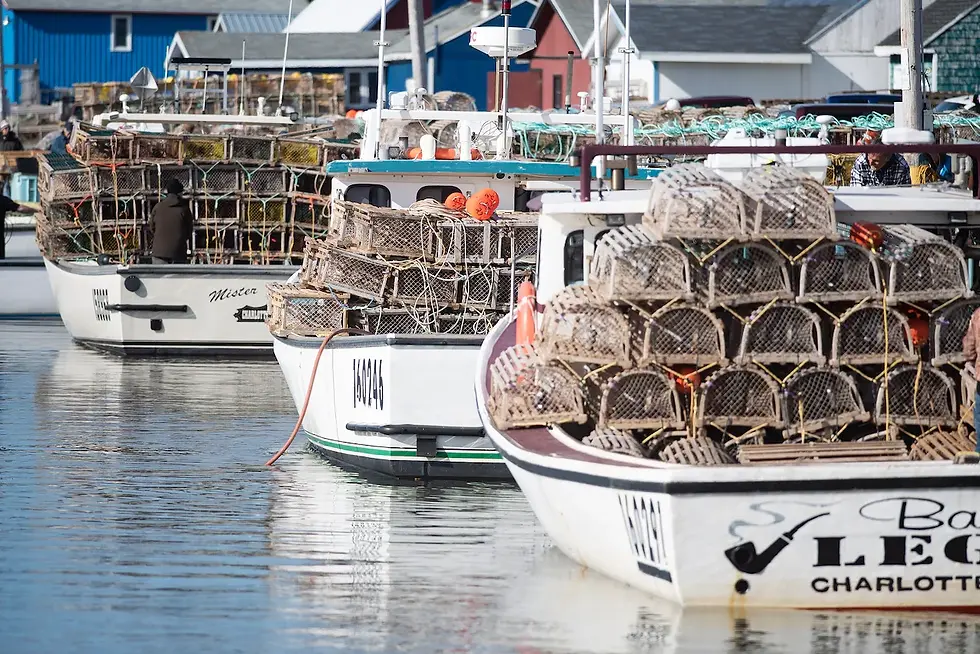
Lobstermen on the north shore of Prince Edward Island have had three closures thus far in their spring season due to the presence of North Atlantic right whales, removing days from their 52-day season. Right whales migrate to the Gulf of St. Lawrence in the early summer to feed on cold water copepods. Lobster landings are reported to be slower than last year all around the island.
Participants worried about consumer confidence and its effect on lobster demand. In general, they agreed that consumers seem to be particularly hesitant about spending money right now. There is also concern about the ongoing renegotiation of the U.S., Canada and Mexico free trade agreement, which has kept U.S. and Canadian lobsters tariff-free.
At this point, 2026 appears to be shaping up more like 2025 than 2024. Canadian dealers and processors are predicting lower landings from the spring season, as happened last year. In Maine, the colder water this year means it’s likely peak landings will come in the fall, as happened last year.


Great
granny is a suspense-filled online escape game that puts your stealth and puzzle-solving skills to the test. Search every corner of the haunted house for clues while avoiding the relentless Granny. She hears every creak and footstep, so move carefully if you want to survive.
In Buckshot Roulette, I wait until the shotgun is reloaded before changing my strategy. A fresh chamber always makes me rethink my options.
Hopefully, the market will soon experience a Run 3 – a new surge in the fall – to revive hope for the entire supply chain before it's too late.
If you enjoy games that reward careful control instead of speed, Drive Mad is worth trying. Some stages took me several attempts before I finally cleared them.